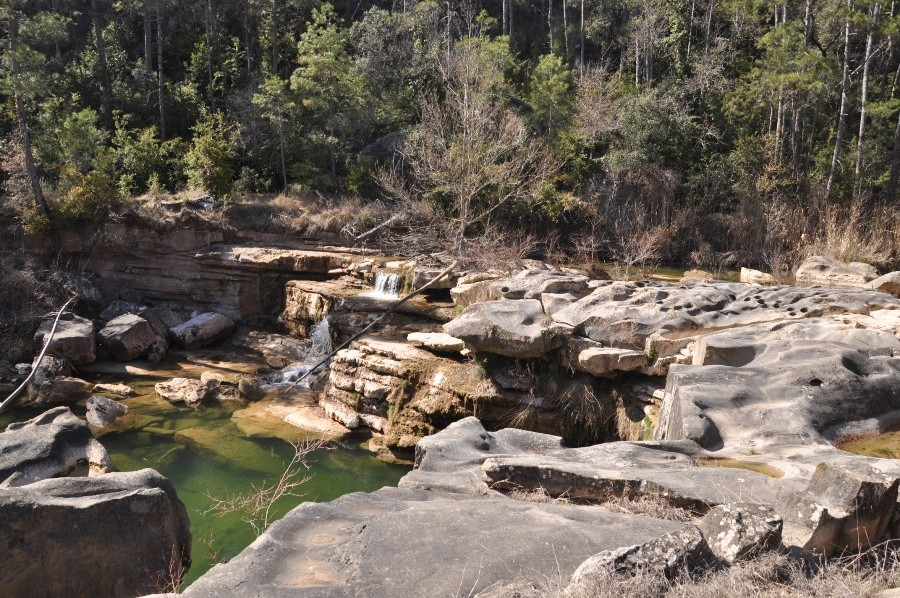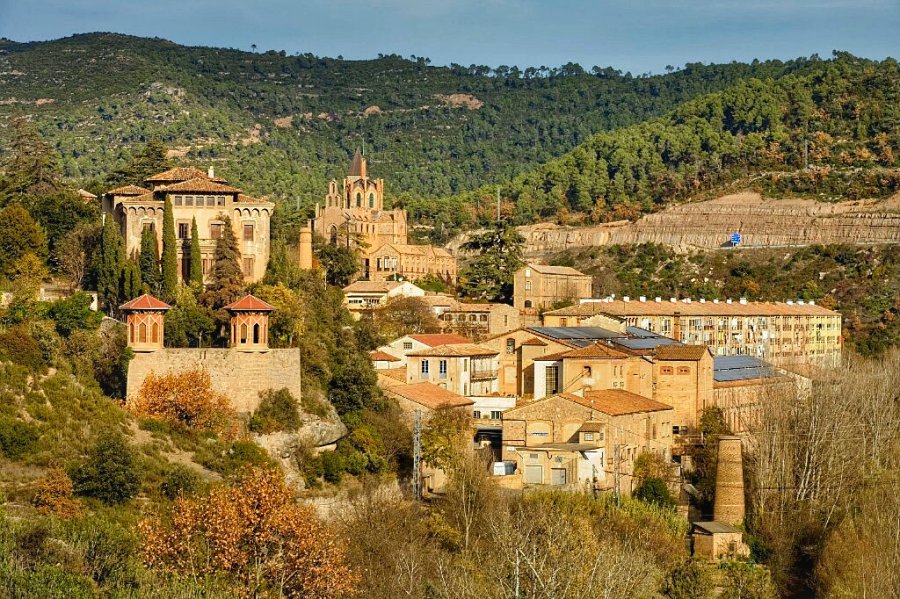
The Llobregat River has shaped both the landscape and the history of the towns along its banks. This connection is particularly evident in Puig-reig, where fields and paths invite us to explore the past, from the medieval legacy of the Knights Templar to the textile colonies that transformed the area.
A journey through history
Long before factories transformed life along the Llobregat, Puig-reig already played a prominent role in the Middle Ages. The troubadour Guillem de Berguedà bequeathed Puig-reig Castle and its surrounding lands to the Order of the Temple, which established one of its commanderies in Old Catalonia.
The castle and the Romanesque church of Sant Martí still bear witness to that period today. Casa de Periques and Torre de Merola complete this heritage, offering a glimpse, through their architecture and setting, of the importance this area held for centuries.
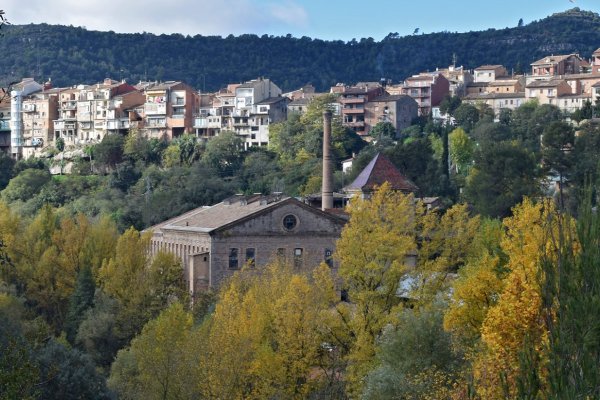
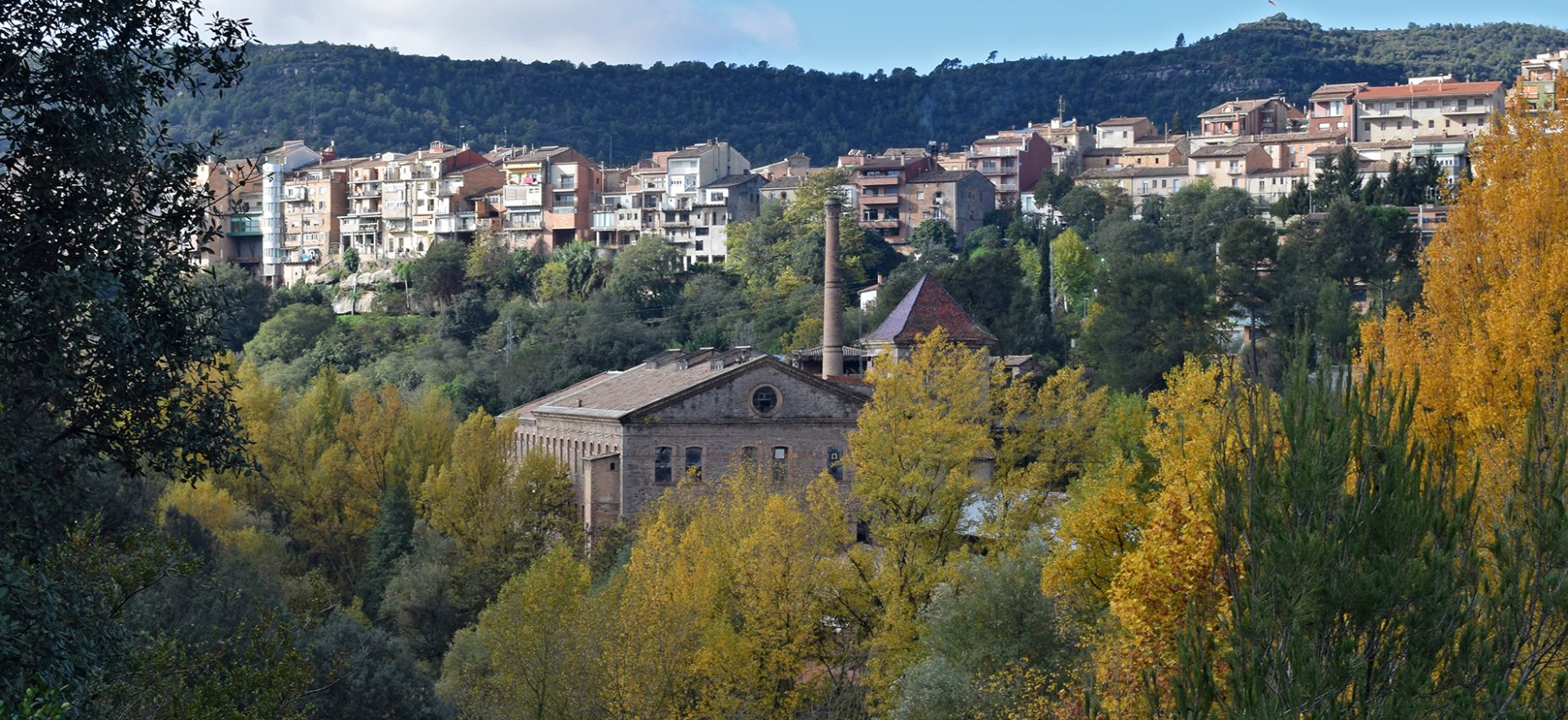
Later, the same river became the driving force behind a radical transformation. From the late 19th century onwards, water power drove the cotton spinning and weaving industry, giving rise to seven industrial colonies: l’Ametlla de Merola, Cal Prat, Cal Pons, Cal Casas, Cal Marsal, Cal Riera and Cal Vidal.
More than just factories, these colonies were thriving communities, with housing, facilities and communal spaces built around their industrial activity. At Cal Pons, the buildings offer a glimpse into the world of industrial families, while the Cal Vidal Museum opens a window onto the daily lives of the people who lived and worked there.
The river as a connecting thread
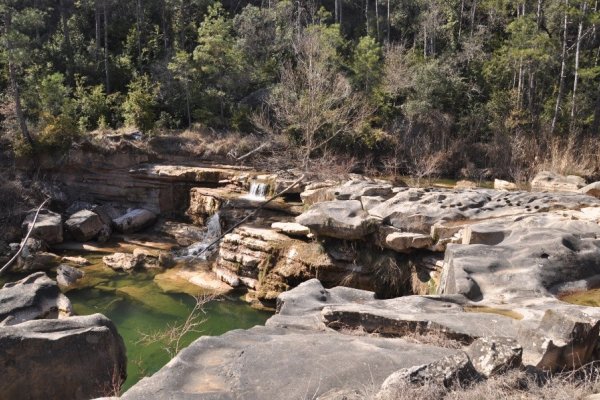
Puig-reig’s industrial history cannot be separated from the landscape that made it possible. Woodlands, fields, farmhouses and country lanes surround the town and offer other ways to explore it, on foot or by bicycle.
One of the best ways to explore this connection between heritage and nature is to follow the Ruta de les Colònies (Colonies Route). The full route links Pedret and Balsareny over a distance of 32 kilometres, passing 16 industrial colonies along the way. In the section through Puig-reig, the path follows the Llobregat from Cal Prat to l’Ametlla de Merola, combining traces of the area's industrial past with riverside scenery.
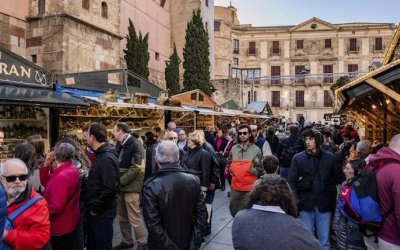
The commitment to preserving this heritage and natural environment is part of Puig-reig’s commitment to a more responsible model of tourism. The town is part of the Barcelona Sustainable Destination programme, an initiative that incorporates sustainability into destination management and promotes the preservation of natural resources and cultural heritage. The Town Council is also working to link tourism with local shops and services, helping to ensure that visitors also contribute to the vitality of the town.
This commitment is reflected in the management of the area and its resources, through measures relating to waste management, environmental awareness and the continuous improvement of green spaces.
A legacy with a future
In Puig-reig, the past is never left behind: it lives on in the flow of the river and along its paths. The former industrial colonies, churches, castles and surrounding landscapes are all part of a legacy that visitors can still explore today. They invite visitors to discover Puig-reig not only for what it has preserved, but also for the way it keeps the connection between heritage, nature and the local area alive.
Find out more at puig-reig.cat